How to Choose the Right Top Coat for You?
Selecting a primerless varnish requires comprehensive consideration of four core factors: substrate type, printing process, performance requirements, and budget. This ensures the varnish perfectly matches the specific application scenario.
Selection Based on Substrate Type
• Paper-based Substrates
◦ Standard Paper: Choose flexible polyurethane acrylic varnishes, suitable for book and magazine printing
◦ Premium packaging paper: Opt for epoxy acrylic varnishes with high gloss and hardness, e.g., cosmetic boxes
• Plastic substrates
◦ PET plastic: Select specially formulated acrylic varnishes with optimal surface energy compatibility for PET
◦ PVC plastic: Use migration-resistant polyurethane acrylic varnishes to prevent plasticizer interference
• Metal surfaces: Select UV varnishes containing epoxy groups, which form chemical bonds with metal surfaces to enhance adhesion.
Select based on printing process:
• Screen Printing: Opt for low-viscosity varnishes with high-efficiency leveling agents to ensure uniform passage through mesh screens.
• Offset Printing: Select varnishes with fast curing speeds and excellent compatibility with offset inks.
• Gravure Printing: Varnish viscosity and rheological properties must be appropriately balanced to ensure complete cell filling and smooth transfer.
Select based on product performance requirements
• Gloss requirements: High-gloss varnishes with gloss enhancers for premium catalogs
• Abrasion resistance: Varnishes containing epoxy acrylates or abrasion-resistant additives for product manuals
• Chemical resistance: Polyurethane acrylate varnishes with high chemical resistance for food packaging
• Adhesion requirements: Evaluate via 3M tape test; select products achieving 5B adhesion grade
Other considerations
• Drying method: UV varnishes cure rapidly; water-based varnishes offer eco-friendly air drying
• Odor requirements: Choose ultra-low odor products meeting environmental standards
• Cost budget: Primerless varnishes cost 10%-30% more than standard varnishes; weigh cost-effectiveness comprehensively
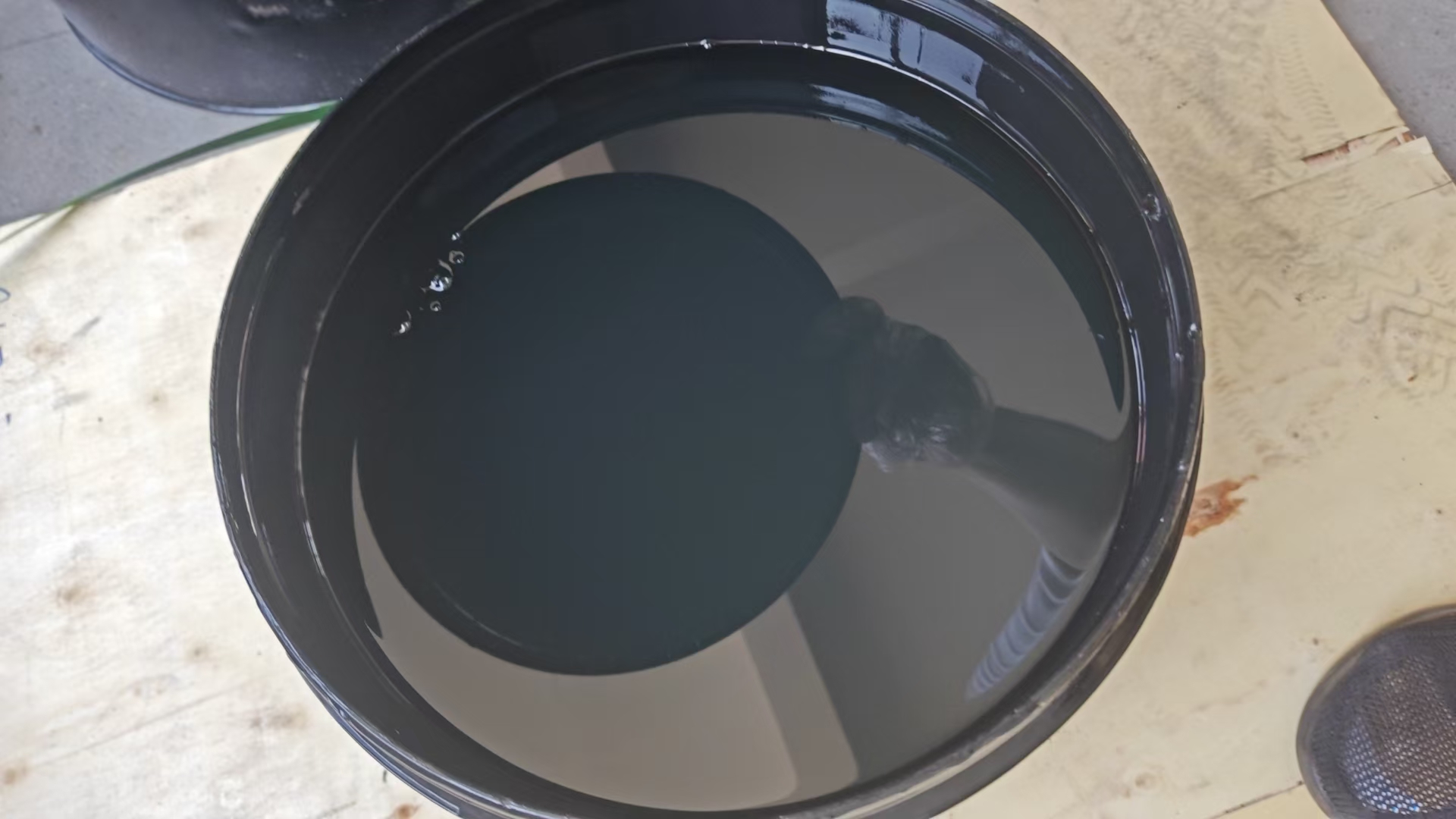
When selecting a product, it is recommended to obtain samples for testing first to ensure that the varnish's adhesion, gloss, and abrasion resistance fully meet requirements in actual application.