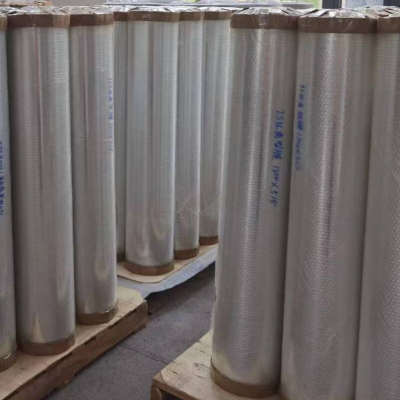
What are the application scenarios and future development trends of PET film?
PET film, with its diverse properties (such as high transparency, high strength, and temperature resistance), can be modified through processes like stretching, coating, and corona treatment. Its applications span multiple industries, with core common scenarios as follows:
1. Packaging sector: One of the most mainstream applications, accommodating various packaging needs.
◦ Food Packaging: Used for transparent outer packaging of cookies, chocolates, and nuts (leveraging high transparency), as well as heat-resistant packaging for cooked foods and microwaveable items (withstands temperatures up to 150°C).
◦ Pharmaceutical Packaging: Serves as the “blister substrate” for aluminum-plastic blister packs or as transparent outer films for oral liquids and capsules, combining barrier properties with safety.
◦ Personal Care Packaging: Transparent films for cosmetics (e.g., face masks, lipstick) and label substrates for shampoos/skincare products, offering strong weather resistance and minimal deformation.
2. Electronics and Appliances: Leveraging superior electrical insulation and temperature resistance.
◦ Component Protection: Display protective films for electronics (high transparency), circuit board insulation films, and battery separator films (resistant to electrolyte corrosion). ◦ Appliance Components: Microwave oven interior insulation sheets, motor winding insulation films, suitable for high-temperature operating environments.
3. Optical and Display Applications: Emphasizing high transparency and optical stability.
◦ Display Devices: Polarizer base films for liquid crystal displays (LCDs), diffusion/brightening films for backlight modules, and flexible protective substrates for OLED screens.
◦ Optical components: Protective films for projectors and eyeglass lenses, or light-transmitting films for optical instruments.
4. Industrial and Construction Applications: Leveraging high strength and weather resistance.
◦ Industrial auxiliaries: Label substrates for various products (e.g., home appliances, automotive parts labels), tape substrates (high adhesion compatibility), and precision films for die-cutting.
◦ Architectural Decoration: High-gloss decorative films for interior ceilings and furniture, or light-transmitting laminates for outdoor billboards with UV resistance and fade resistance.
5. New Energy Sector: Focusing on temperature resistance and stability.
◦ Solar Photovoltaics: Backsheet films for PV modules that block moisture, resist aging, and ensure long-term power generation efficiency.
6. Other Special Applications: Expanded uses through modification.
◦ Printing Industry: Laminating films for posters and catalogs (enhancing stiffness and water resistance), or substrates for flexible printing.
◦ Automotive Sector: Surface laminating films for automotive interiors (e.g., dashboards, center consoles), and substrates for automotive window sun films (sun-resistant and heat-resistant).
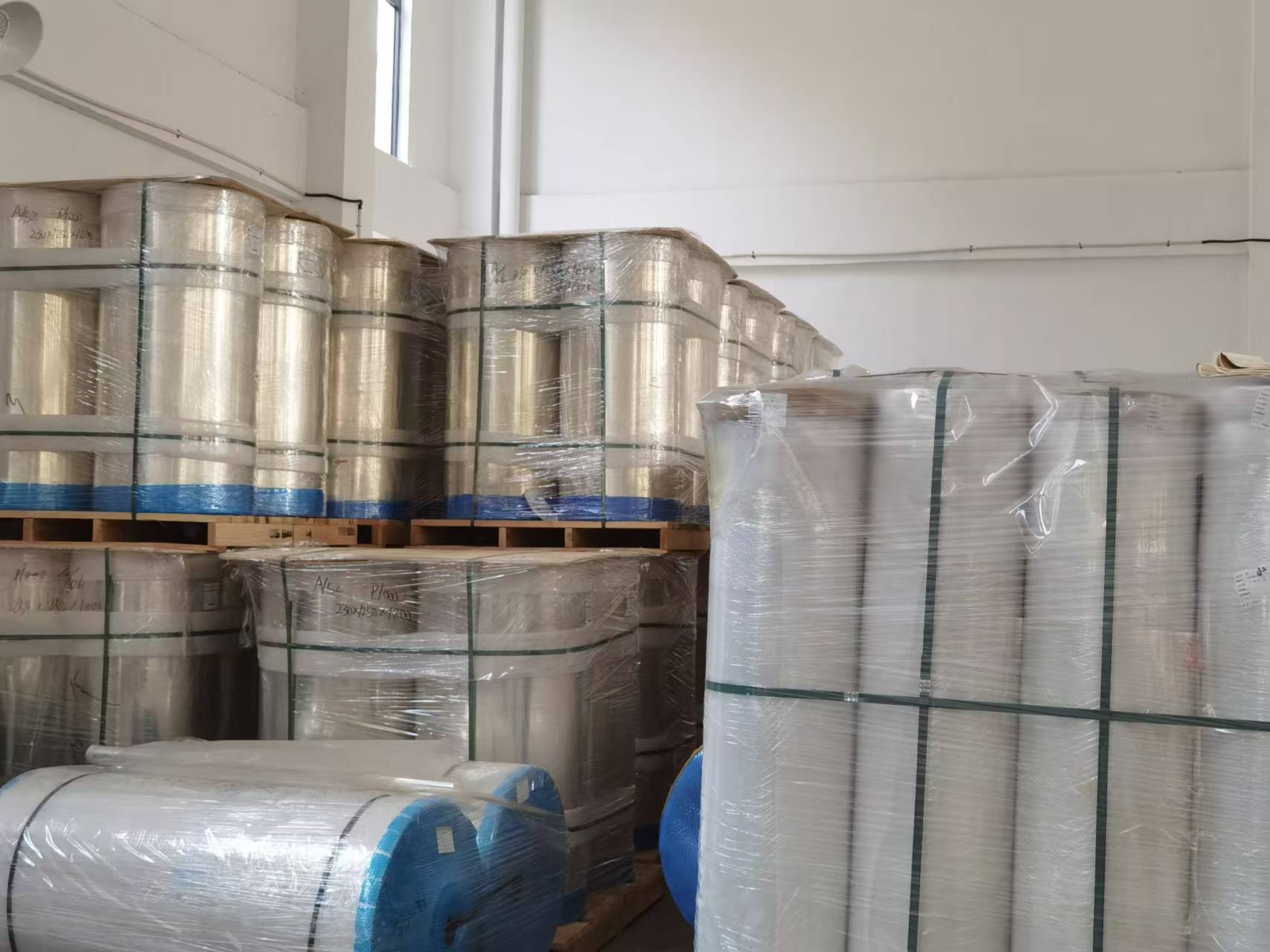
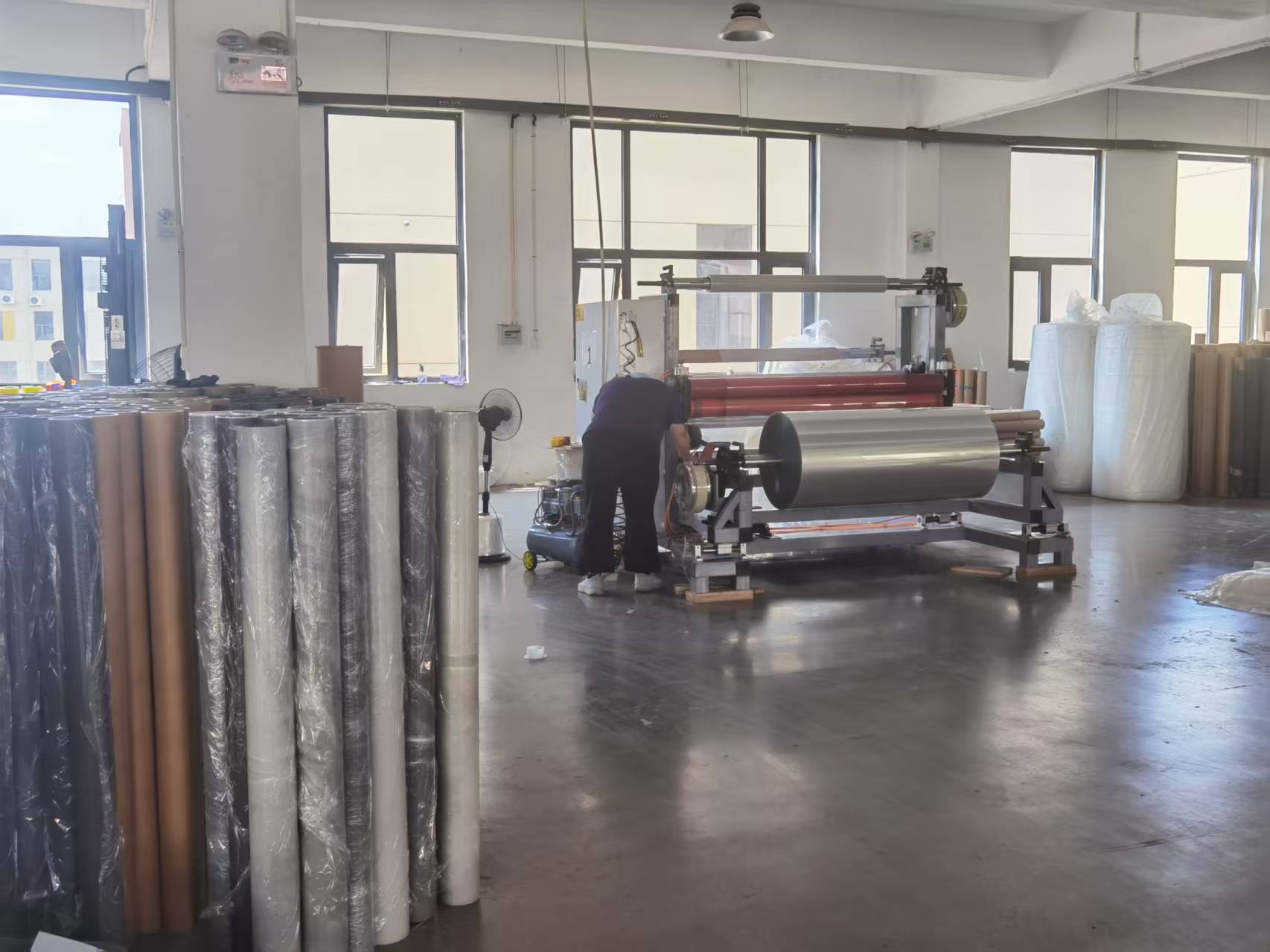
The future development of PET film will exhibit trends toward diversification, greening, and intelligentization, specifically as follows:
• Green Development: As environmental policies continue to tighten, the PET film industry will increasingly prioritize green production. On one hand, the research, development, and application of bio-based PET film will be promoted, effectively reducing reliance on traditional petroleum-based materials. On the other hand, recyclable technologies will advance continuously to minimize environmental pollution and achieve sustainable development.
• High-Performance Advancements: Evolving market demands will drive PET film toward enhanced performance and multifunctionality. Functional films featuring high barrier properties, heat resistance, UV protection, and anti-static capabilities will become R&D priorities to meet diverse application needs across sectors like food packaging, electronics, and photovoltaics.
• Intelligent Manufacturing: The adoption of smart manufacturing technologies will automate and digitize PET film production. By introducing advanced production equipment and control systems, efficiency and product quality will improve while costs decrease, enhancing corporate competitiveness.
• Diversified Market Competition: Future competition in the PET film industry will intensify. Rivalry among enterprises will extend beyond product quality and pricing to encompass technological innovation, environmental performance, and intelligent manufacturing capabilities. As the market fragments into more specialized segments, companies must continuously innovate and strengthen their competitive edge to remain resilient in the marketplace.