What is the curing time as well as the bonding of the Eco Glue? How to choose the right environmental protection glue?
The curing time of environmentally friendly UV glue is usually short, mainly depending on the strength of the UV light, irradiation distance, thickness of the glue and the specific product model, usually between a few seconds to a few minutes.
Thin adhesive layers (e.g. 0.1-0.5 mm): usually cures in 3-30 seconds under sufficiently strong UV light.
Thicker adhesive layers or shaded areas: it may be necessary to extend the irradiation time appropriately, usually no more than 5 minutes, depending on the actual situation.
For example, some UV adhesive used for small area bonding of electronic components can be cured in 5-10 seconds under standard UV light irradiation; while UV adhesive used for thicker bonding such as glass may take 20-60 seconds. In actual use, the curing time needs to be controlled according to product instructions and specific operating conditions to ensure that the adhesive is fully cured.
Environmental UV adhesive bonding strength is excellent, the specific value due to the product model, bonding materials (such as plastic, glass, metal, etc.) and the use of different scenarios and differences, usually meet the needs of most industrial and civil scenarios.
For glass, crystal and other transparent hard materials, after curing the bonding strength can reach the material body damage (i.e., the glue is not de-sticky, but the rupture of the material to be bonded), shear strength is generally 10-30MPa (MPa) or more.
For plastics (such as PC, PMMA, ABS, etc.), the bonding strength usually meets the requirements of daily use and industrial assembly, the shear strength is mostly between 5-20MPa, some specialized models can be higher.
In the bonding of metals and non-metals, high strength can also be achieved through appropriate surface treatment to ensure a solid connection.
In practice, the bonding strength is also affected by the thickness of the adhesive layer, curing conditions (UV intensity, irradiation time), the cleanliness of the surface of the object to be adhered to, etc., and it is necessary to operate according to the specifications of the product description in order to ensure the best results.
Select the appropriate environmental protection UV adhesive need to be combined with specific use scenarios, bonding materials, performance requirements and other factors to make a comprehensive judgment, the following are the key reference dimensions:
1. Define the bonding material
Glass / crystal: choose high transparency, no yellowing after curing, bonding strength can be achieved to the destruction of the material body of the model, to ensure that the optical properties will not be affected.
Plastics (PC, PMMA, ABS, etc.): according to the type of plastic to choose a special adhesive, such as soft plastics need to take into account the flexibility (to avoid embrittlement off), hard plastics focus on high strength.
Metal / ceramics: Priority to the hard material adhesion of strong models, part of the need to cooperate with the surface treatment (such as grinding) to enhance the bonding effect.
Mixed materials (e.g. glass and metal, plastic and metal): choose the general-purpose or special cross-border adhesive that has good compatibility with both materials.
2. Focus on the core performance requirements
Strength requirements: industrial structural bonding requires high shear strength (e.g., more than 10MPa), while lightweight parts can be appropriately reduced requirements.
Weather resistance: outdoor use needs to be resistant to high and low temperatures, anti-UV aging; wet environment needs to be waterproof, moisture and heat.
Flexibility: used for flexible materials (such as plastic film, wire) need to have a certain degree of elasticity after curing the glue to avoid breakage under force.
Transparency: optical devices, transparent products need to be completely transparent after curing, no bubbles, no white mist.
3. Consider the details of the use of the scene
Thickness of the glue layer: large gaps need to choose a low viscosity, good fluidity of the glue (easy to fill); precision bonding can choose a high viscosity adhesive (to prevent overflow of glue).
Curing conditions: If the equipment is limited ultraviolet intensity, choose fast curing speed, low energy ultraviolet sensitivity of the model; shaded areas can be matched with more visible light curing components of the glue.
Convenience of operation: automated production lines need to glue viscosity stability, easy to dispense; manual operation can choose a good thixotropic (not easy to flow) of the glue.
4. Compliance and environmental requirements
Confirm that the product complies with the relevant environmental standards (e.g. RoHS, REACH), especially in the field of electronics, medical care, food contact, etc., need to avoid hazardous substances (e.g. heavy metals, toxic solvents).
5. Refer to actual tests and cases
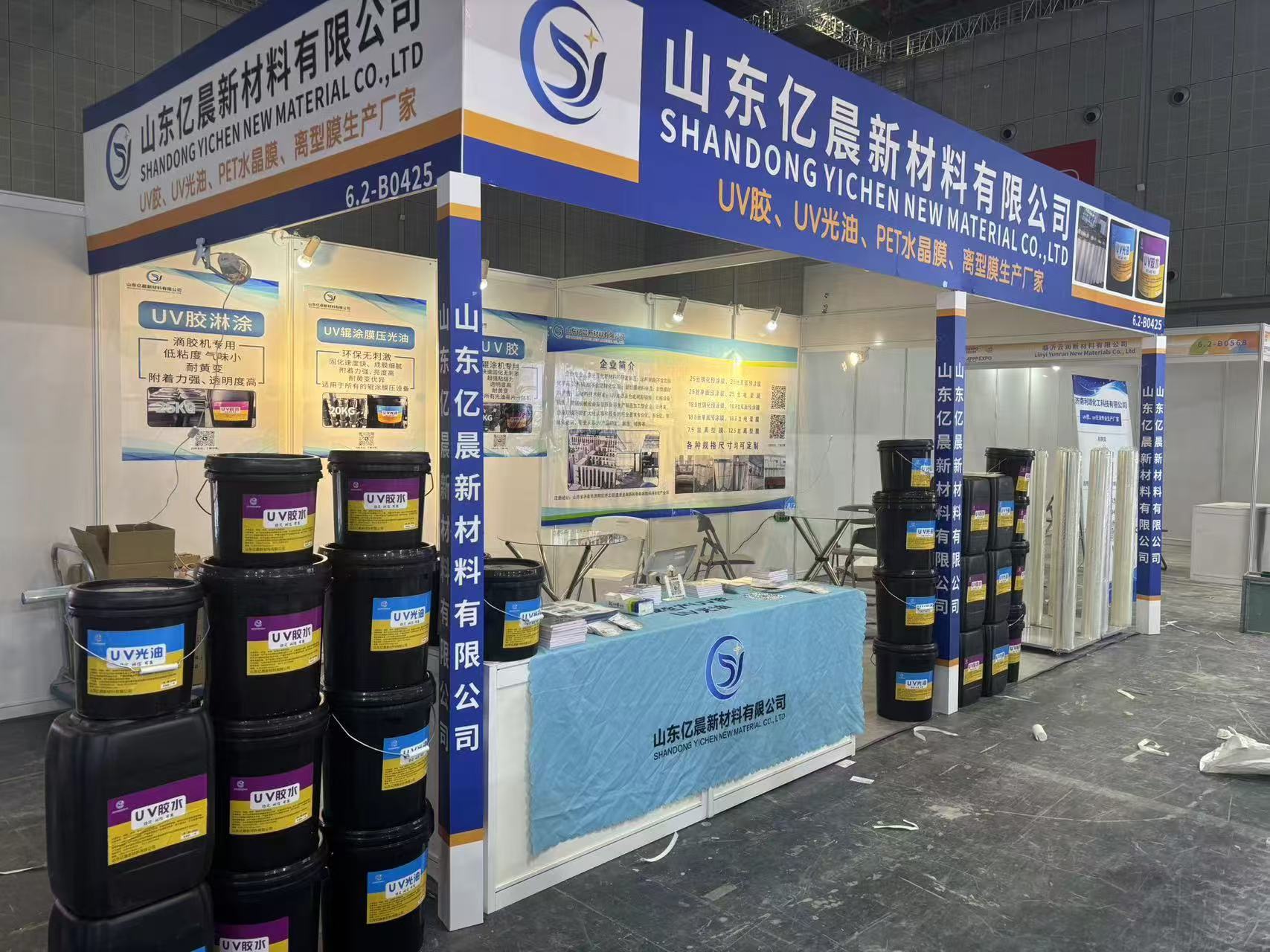
Prioritize brands with similar application cases, request samples if necessary, and test key indicators such as bond strength and weather resistance under actual working conditions to verify whether they meet the requirements.
Through the above steps, you can narrow down the scope of choice to find a suitable environmental UV adhesive for specific scenarios.
- Previous : What are the specifications for the thickness of PET printable film?How to choose the right PET printable film for you?
- Next : What parameters should be considered during the corona treatment process for corona-treated films? How can the surface tension of corona-treated films be improved after treatment?