What is the curing principle of UV adhesive?What factors affect the curing speed of UV adhesive?How to choose the right UV adhesive?
PET edge sealing glossy film has a wide range of applications, mainly focusing on areas with high requirements for surface decorativeness and durability, as follows:
- Furniture manufacturing: commonly used in cabinet door panels, closet door panels, shoe cabinets, TV cabinets and other furniture surface sealing and overall wrapping, which can enhance the sense of fashion and high-grade furniture, especially suitable for modern minimalist, light luxury and other styles of furniture design.
- Interior Decoration: It can be applied to wall decorative panels, ceiling panels, background walls, etc., using its high-gloss characteristics to enhance the brightness of the space and the sense of transparency, commonly used in hotels, shopping malls, office buildings and home decoration.
- Home appliances and equipment: suitable for refrigerators, washing machines, microwave ovens and other home appliances shell decoration, as well as elevator car, vending machines and other equipment surface sealing, both beautiful and can protect the surface of the equipment.
- Other fields: It can also be used in the surface treatment of display cabinets and shelves to enhance the display effect; it can also be used as a customized decorative material to meet the decorative needs of special shapes or scenes.
The core advantage of its applicable scene is that it can not only enhance the appearance grade through the high-gloss effect, but also adapt to the high-frequency use environment by virtue of its scratch-resistant and easy-to-clean characteristics.
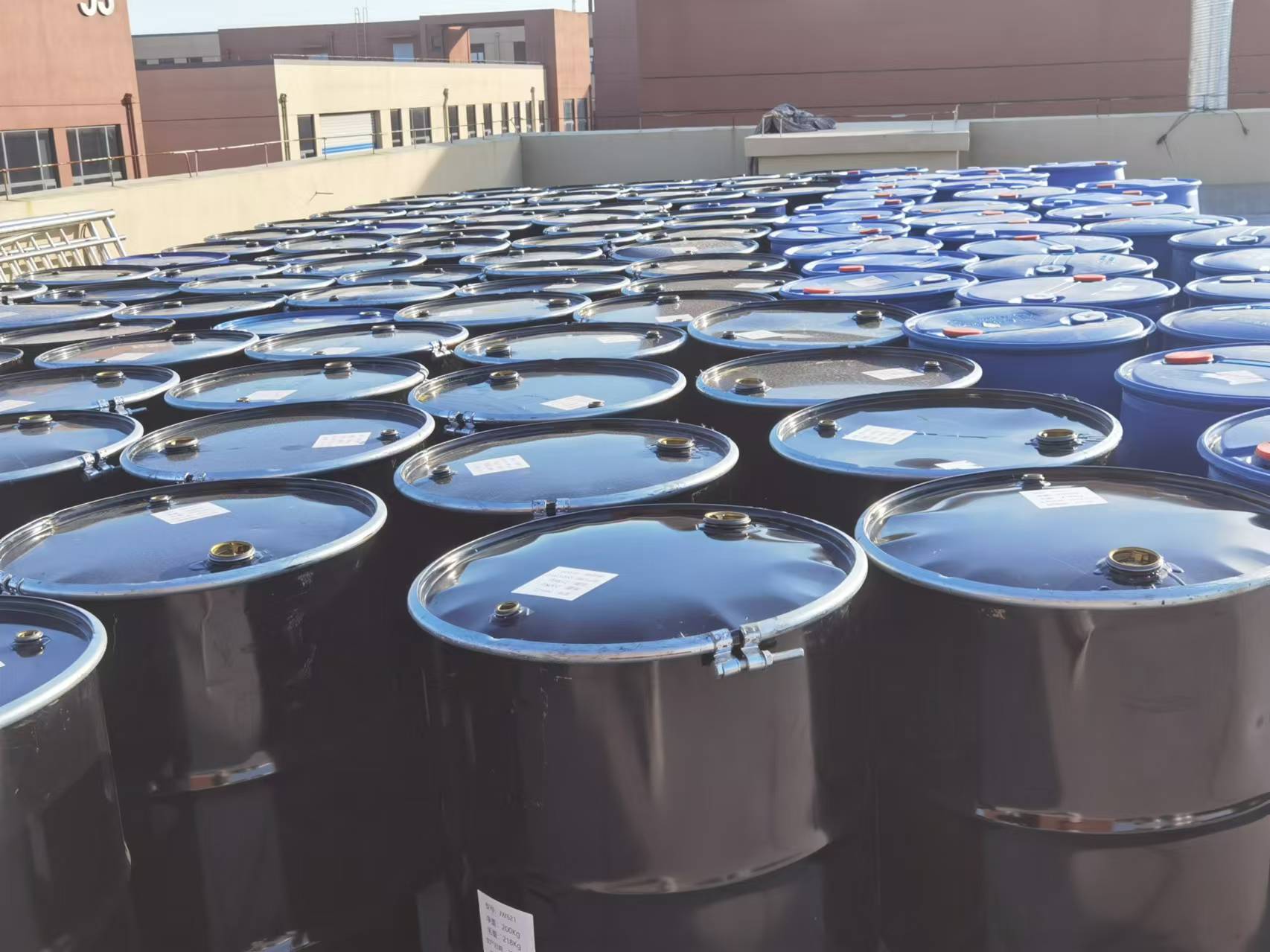
The curing speed of UV adhesive is mainly affected by the following factors, which together determine the conversion efficiency of the adhesive layer from liquid to solid:
1. Ultraviolet light (UV light) related parameters
- Light intensity: the higher the intensity of UV light (the greater the UV energy received per unit area), the faster the photoinitiator absorbs the energy, the more active particles are excited, and the faster the curing speed will be. On the contrary, insufficient intensity will significantly extend the curing time.
- Light wavelength: the photoinitiator in UV adhesive is sensitive to specific wavelength (usually 200-400nm) of ultraviolet light, if the wavelength of irradiated light and photoinitiator matching degree is low, it will reduce the efficiency of energy absorption and slow down the curing.
- Lighting time: under the premise of sufficient intensity, the longer the lighting time, the more total energy received by the adhesive layer, the more fully cured. However, after reaching full curing, further exposure to light will have no effect on the speed.
2. Characteristics of the adhesive layer itself
- Thickness of the adhesive layer: the thicker the layer, the more difficult it is for the UV light to penetrate (especially for dark-colored adhesives or adhesives containing fillers), and it is difficult for the photoinitiator in the inner layer to fully absorb the energy, so the curing speed will be slower, and there may even be a situation in which the surface layer is cured but the inner layer is not cured.
- Photoinitiator content: Within a reasonable range, the higher the photoinitiator content, the more active particles are generated after absorbing UV rays, the faster the curing reaction is initiated, and the overall curing speed will be improved.
3. Environmental and adhesive factors
- Adhesive transmittance: If the adhesive (such as metal, dark-colored plastic) is opaque, the UV rays can not penetrate to reach the adhesive layer, which will lead to the adhesive layer can not be cured; poor transmittance of the material will weaken the intensity of UV rays, slowing down the curing.
- Ambient temperature: Although UV adhesive curing mainly rely on light reaction, but the temperature will affect the speed of molecular movement. Higher temperatures, the resin molecules react more actively, curing speed slightly accelerated; low temperatures may be a small delay in the reaction.
These factors interact with each other, the actual application needs to be adjusted according to the specific scenario (such as increasing the power of the UV lamp, to ensure light transmission, to control the thickness of the adhesive layer), in order to ensure the curing efficiency and effectiveness.
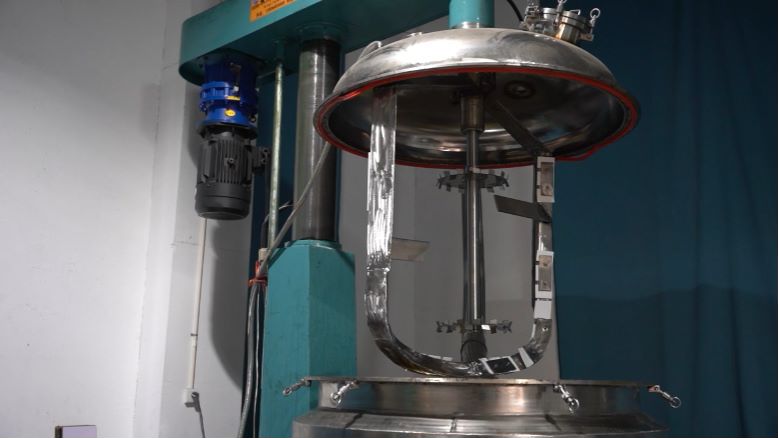
Choosing the right UV adhesive needs to be combined with the core requirements of specific application scenarios, focusing on the following key factors to ensure adhesive effect, durability and operational suitability:
1. The type of material to be adhered to
Different materials have different requirements for compatibility and adhesion of UV adhesive, and need to be targeted selection:
- Glass, crystal and other transparent materials: priority to select high transparency, low shrinkage of the UV adhesive, to avoid curing bubbles or affect the light transmission.
- Metal, ceramics and other hard materials: choose the hard surface adhesion (such as modified resin components) of the UV adhesive to ensure a strong bond.
- Plastic (such as acrylic, PET, PC): pay attention to the flexibility of the adhesive, to avoid cracking of the plastic after curing due to stress (especially for soft plastics, you need to choose low modulus, high elasticity products).
- Mixed bonding of multiple materials: for example, glass and metal, plastic and ceramics, need to choose a strong generality, a variety of materials have good adhesive UV adhesive.
2. Application scenarios of performance requirements
- Strength requirements: structural bonding requires high shear strength, impact resistance of UV adhesive; temporary fixation or low strength demand scenarios can choose low viscosity, easy to peel products.
- Environmental resistance: outdoor or humid environments (such as bathrooms, swimming pools around) need to choose water resistance, aging resistance, high and low temperature (-40 ℃ ~ 120 ℃) of the UV adhesive; industrial scenarios, if the contact with chemicals, the need to consider acid and alkali resistance, solvent resistance.
- Appearance requirements: transparent parts (such as lenses, displays) need to be colorless, transparent, bubble-free UV adhesive; hidden parts can be relaxed on the transparency requirements.
3. Operation process suitability
- Viscosity: low viscosity (such as 50-500cps) is suitable for small gap filling, infiltration bonding; high viscosity (such as 1000-10000cps) is suitable for larger gaps or vertical surfaces, vertical surface bonding, to prevent flow.
- Curing conditions: according to the UV equipment to choose the matching wavelength (common 365nm, 405nm) of the UV adhesive; if the object to be adhered to the shade (such as metal completely cover the adhesive layer), you need to choose the deep curing or with the heating-assisted curing of the product.
- Operation time: need to adjust the bonding position, choose a slightly slower curing speed (a few seconds to a dozen seconds) of the UV adhesive; assembly line rapid production requires instantaneous curing (1-3 seconds) of the type.
4. Special Functional Requirements
- If you need to follow the disassembly or repair, you can choose the peelable UV adhesive;
- Medical, food contact scenarios need to be selected in line with the FDA, ISO10993 and other safety certification of UV adhesive;
- Electronic components bonding need to consider insulation, thermal conductivity (such as LED thermal components) and other parameters.
It is recommended to clarify the core requirements (such as material, strength, environment, process), and then provide specific scenarios to the supplier to obtain samples for testing and then batch selection to ensure compatibility.