What is the procedure for applying thin glue?How to deal with defects in the drying process by applying thinned adhesive coating?
The operation process of glue application should be combined with equipment debugging, substrate treatment and coating control to ensure the coating is uniform and free of defects, the specific steps are as follows:
1. Pre-preparation
Equipment Inspection: Confirm that the glue application machine (including nozzle, conveyor, drying system, etc.) is running normally, clean the nozzle and conveyor table to avoid contamination of the glue by impurities.
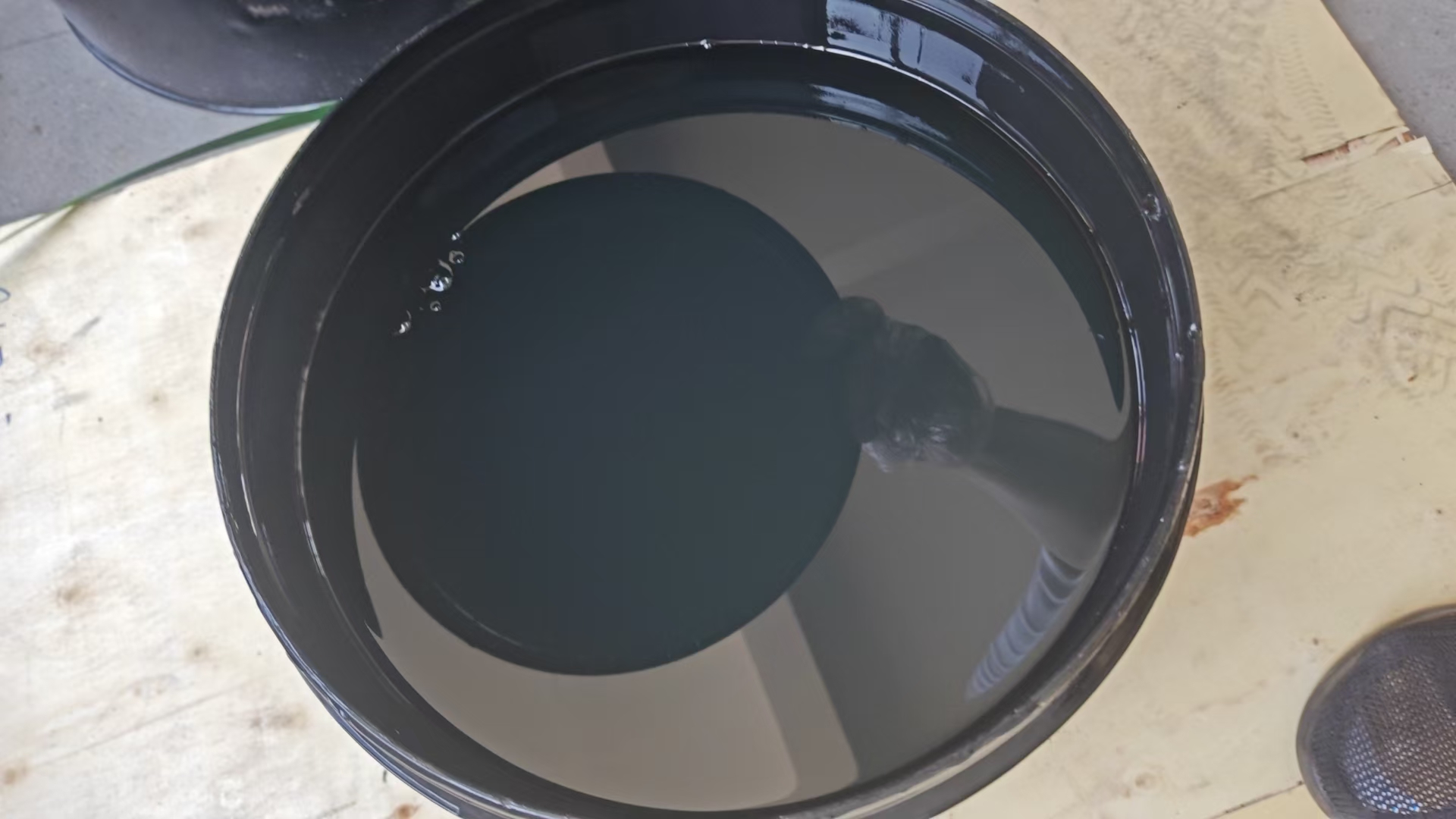
Glue mixing: according to the characteristics of the substrate and process requirements, adjust the viscosity of the thin glue (if necessary, add the special diluent in proportion and mix well), to ensure that the fluidity of the glue meets the needs of the coating.
- Substrate pre-treatment: Clean the surface of the coated material (remove dust, oil, burrs, etc.), and if necessary, carry out sanding or priming treatment to enhance the adhesion of the glue.
2. Parameter setting
Glue dripping volume control: set the glue volume for a single dripping by adjusting the height and width of glue dripping nozzle and the glue conveying pressure (need to be adjusted according to the coating thickness). Conveying speed: set the glue volume for the substrate at the same time.
Conveying speed: set the moving speed of the substrate on the conveyor belt to ensure that the glue has enough time to level, while matching the subsequent drying efficiency.
Drying parameters: according to the type of glue (e.g. water-based, solvent-based), set the drying temperature and time (to avoid blistering or cracking of the coating due to high temperature).
3. Trial Coating and Adjustment
Take a small amount of substrate for trial coating, check whether the coating is uniform, there is no hanging, bubbles, leakage and other problems. Adjust the parameters according to the test coating results: if the coating is too thick or hanging, reduce the amount of glue or speed up the conveying speed; if the coating is too thin or uneven, increase the amount of glue or slow down the speed, and at the same time, calibrate the position of the gluing nozzle.
4. Formal coating
Place the pre-treated substrate neatly on the conveyor belt, start the equipment, the substrate with the conveyor belt through the gluing nozzle below, the glue from the gluing nozzle evenly sprinkled on the surface, natural leveling to form a coating.
During the coating process, real-time observation of the coating state, timely handling of unexpected problems (such as glue nozzle clogging, substrate offset, etc.).
5. Drying and curing
The coated substrate enters the drying system, and is dried according to the set parameters (solvent-based glue needs to pay attention to ventilation to avoid solvent residue; water-based glue needs to ensure that the water is fully evaporated).
After drying, it will be cooled down to room temperature to complete curing.
6. Post-inspection and processing
Conduct quality inspection of finished products, screen out defective products (such as coating defects, lack of adhesion, etc.), analyze the reasons and adjust the process.
Clean the equipment, recycle the remaining glue (if it can be used twice), turn off the power and finish the operation.
Wear protective equipment (e.g. gloves, masks), especially when handling solvent-based glue, to ensure safe operation.
Common defects in the drying process of thinned adhesive coating (such as blistering, cracking, non-drying, color difference, etc.) need to be analyzed and dealt with, the specific solutions are as follows:
I. Common defects and treatment
1. Blistering of coatings
- Reason: Drying temperature is too high/fast, the solvent/moisture in the glue evaporates sharply; the surface of the substrate has oil, water vapor; the coating is too thick.
- Treatment:
- Reduce the drying temperature and use “step-up” (first evaporate the solvent/moisture at low temperature, then gradually increase the temperature for curing).
- Strengthen the pretreatment of the substrate (thorough degreasing and drying) to avoid residual impurities or moisture on the surface.
- Reduce the amount of glue dripping and control the coating thickness within the process range.
2. Coating cracking/shrinkage
- Causes: too high drying temperature leading to too fast curing of glue; too thick coating, inconsistent shrinkage inside and outside; poor compatibility between glue and substrate.
- Treatment:
- Reduce the drying temperature and prolong the curing time to avoid internal stress due to rapid curing of the glue.
- Reduce the amount of glue in a single shower, if necessary, apply it several times (need to wait until the previous layer is dry before applying).
- Change the type of adhesive to match the substrate (e.g. use polar adhesive for polar substrates).
3. Non-drying/sticky coatings
- Reason: Insufficient drying temperature and time; wrong proportion of glue (e.g. insufficient hardener); poor ventilation resulting in solvent/moisture residue.
- Treatment:
- Increase the drying temperature (within the tolerance range of the glue) and extend the drying time to ensure that the solvent/moisture evaporates completely.
- Check the glue mixing ratio, make up enough hardener and mix thoroughly.
- Enhance the ventilation of the drying system (especially for solvent-based adhesives) to accelerate the discharge of volatile components.
4. Uneven coating color/gloss
- Reason: Uneven drying temperature (partial overheating or insufficient); uneven pretreatment of substrate surface (e.g. inconsistent sanding).
- Treatment:
- Calibrate the drying equipment to ensure uniform hot air circulation and avoid excessive local temperature difference.
- Strengthen the pretreatment of the substrate to ensure consistent surface flatness and cleanliness.
II. Preventive measures
- Before drying, ensure that the coating has been fully leveled, without bubbles, build-up and other problems.
- Strictly follow the recommended drying parameters (temperature, time, ventilation) according to the type of glue (water-based/solvent-based).
- Do a small trial before mass production to verify the stability of the drying process before adjusting the parameters.
By targeting the causes of defects and adjusting the drying process or preliminary operations, problems in the drying process can be effectively reduced to ensure the quality of the coating.