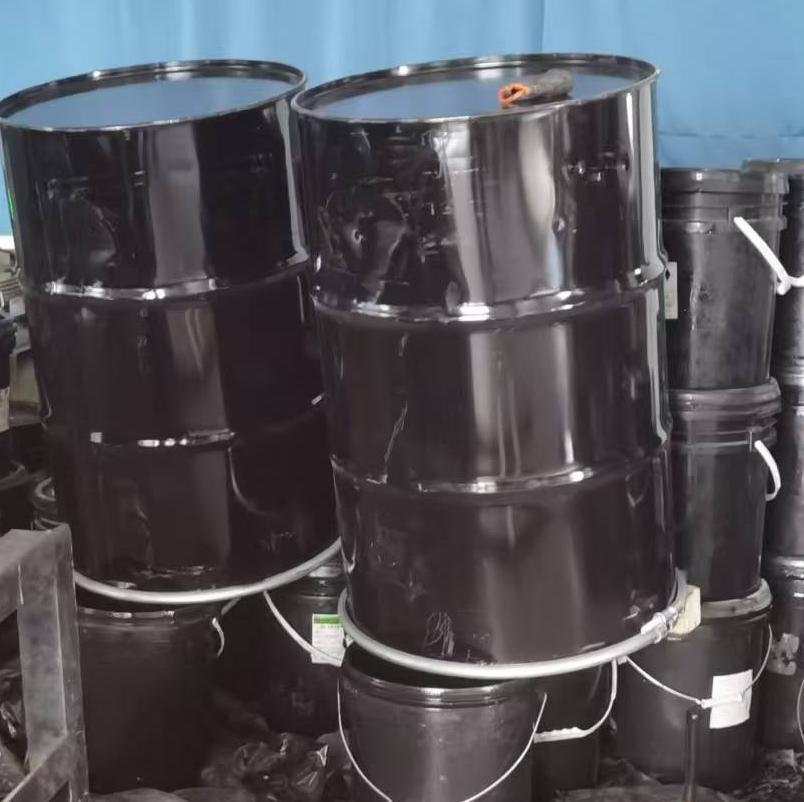
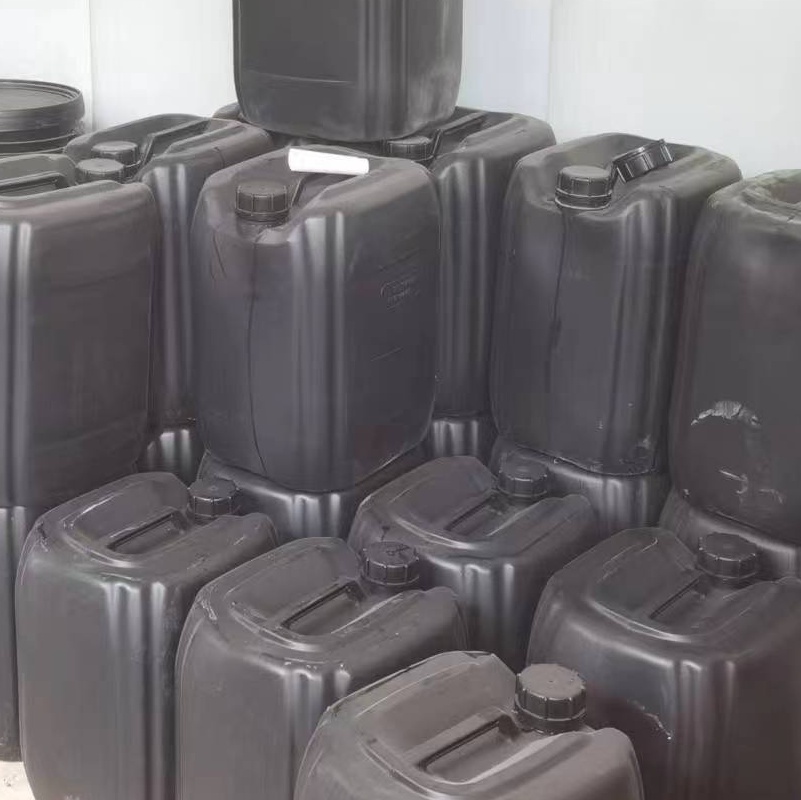
Drenching thinning glue
good mobility
High coating efficiency
Controlled curing speed
Excellent coating uniformity
Excellent infiltration
High production efficiency
High material utilization
Wide range of applications
Good mobility: due to the low viscosity, it can quickly penetrate into the fine crevices on the material surface to ensure full contact of the bonding surface.
High coating efficiency: the drenching process can realize continuous operation, which is suitable for mass production and can evenly cover a large area of the substrate.
Controllable curing speed: according to different formulations, the curing time can be adjusted to meet the needs of different production rhythms.
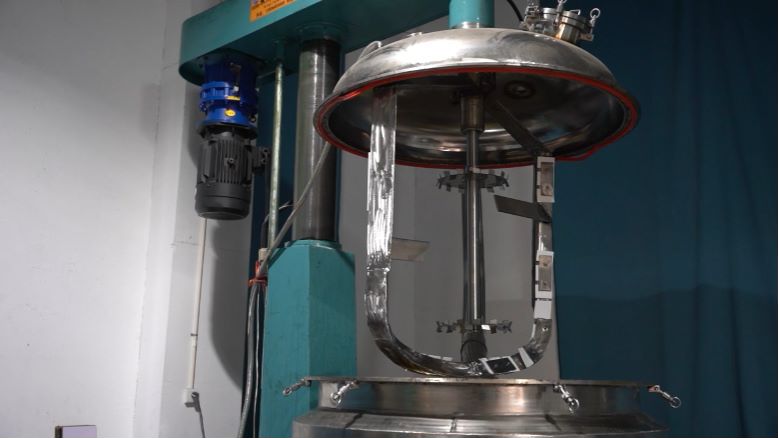
Good coating uniformity: low viscosity characteristics enable it to naturally level, forming a flat, continuous adhesive layer on the surface of the substrate, reducing bubbles, lack of adhesive and other problems, and improving the quality of bonding.
Strong infiltration: it can quickly penetrate into the porous or uneven surface materials (such as wood, paper) to enhance the bonding force between the adhesive and the substrate and improve the bonding strength.
High production efficiency: the drenching process can realize automated continuous operation, suitable for large-area, mass production, compared with brushing, scraping and other ways to save time and manpower.
High material utilization rate: the amount of adhesive is precisely controlled by the drenching system, which reduces waste, and the low viscosity characteristic also reduces the residue of adhesive in pipelines and equipments.
Wide range of application: good compatibility with a wide range of substrates (e.g. plastics, metals, fabrics, etc.), and the curing speed can be adjusted according to demand to adapt to different production scenarios.
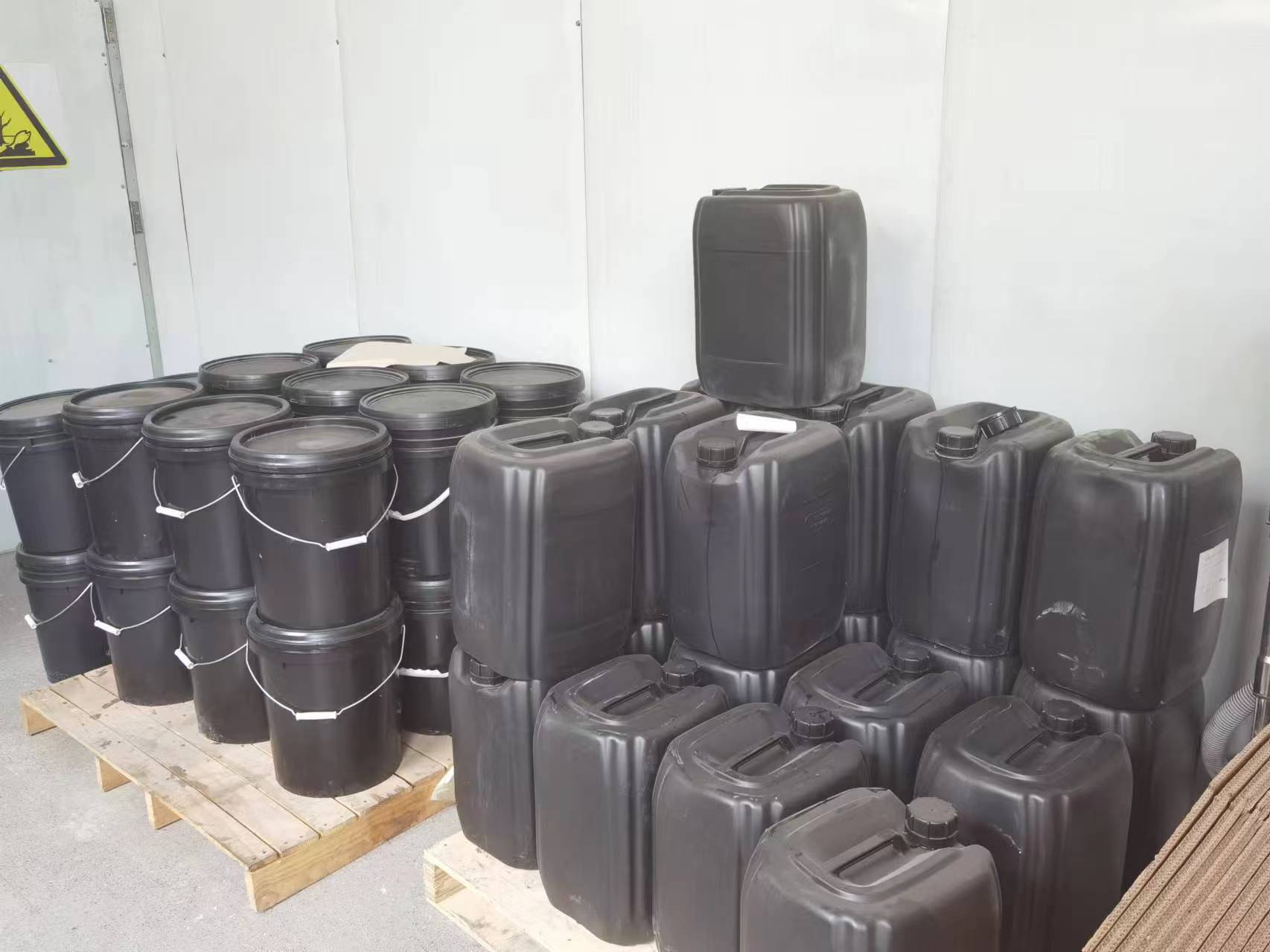
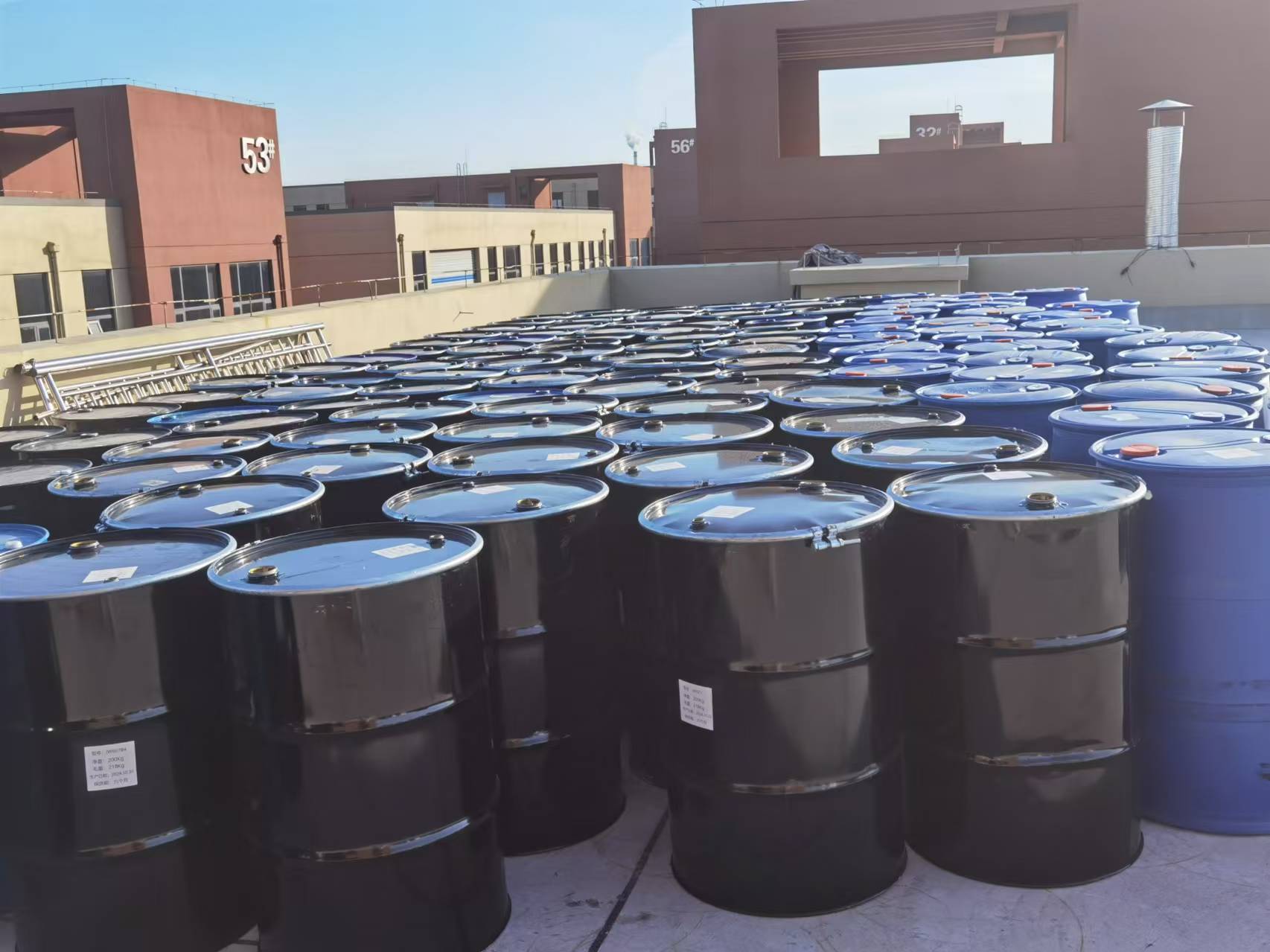
The product specification of the thinned adhesive coating is usually based on its composition, performance and application scenarios, and common specification parameters include the following categories. Viscosity: as the core parameter, it is usually measured in centipoise (cP):
- Viscosity: As the core parameter, it is usually measured in centipoise (cP) and ranges from 50 - 500 cP (depending on the formulation), low viscosity ensures fluidity and wettability.
- Solid content: generally 30% - 60%, affects the thickness of the adhesive layer after drying and bonding strength, high solid content is thicker adhesive layer.
- Appearance: mostly transparent or light yellow liquid, some special formulations may show milky white or other colors, the clarity needs to be in line with the application scenarios (such as the high transparency requirements of paper bonding).
- Curing methods: including room temperature self-drying, heat curing, ultraviolet (UV) curing, etc. Room temperature curing is suitable for rapid production, while heating/UV curing is suitable for scenes requiring high bond strength.
- pH value: usually between 4 - 8 (neutral or weak acid and alkali), to avoid corrosion of the substrate (such as paper, wood).
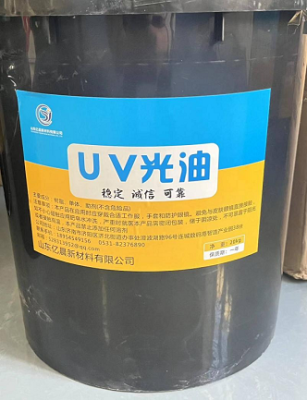
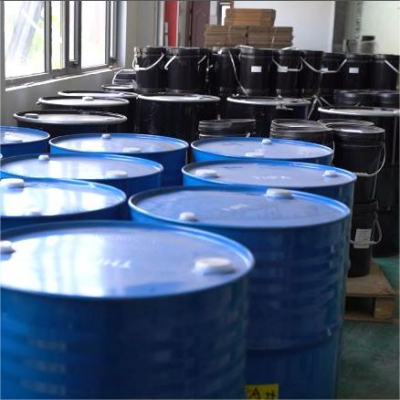
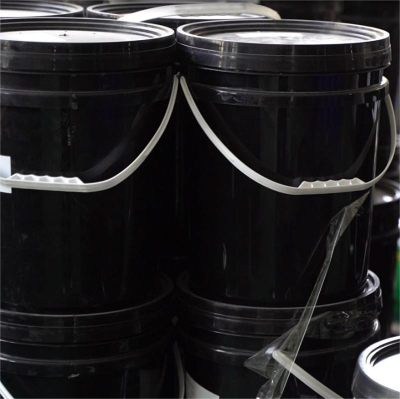
- Packing specification: Commonly available in 5L, 20L, 200L drums, or larger capacity cans according to industrial demand, to meet the dosage of different production scale.
Specific specifications need to refer to the product description of different manufacturers, according to their target industries (such as packaging, building materials, electronics, etc.) to make targeted adjustments.
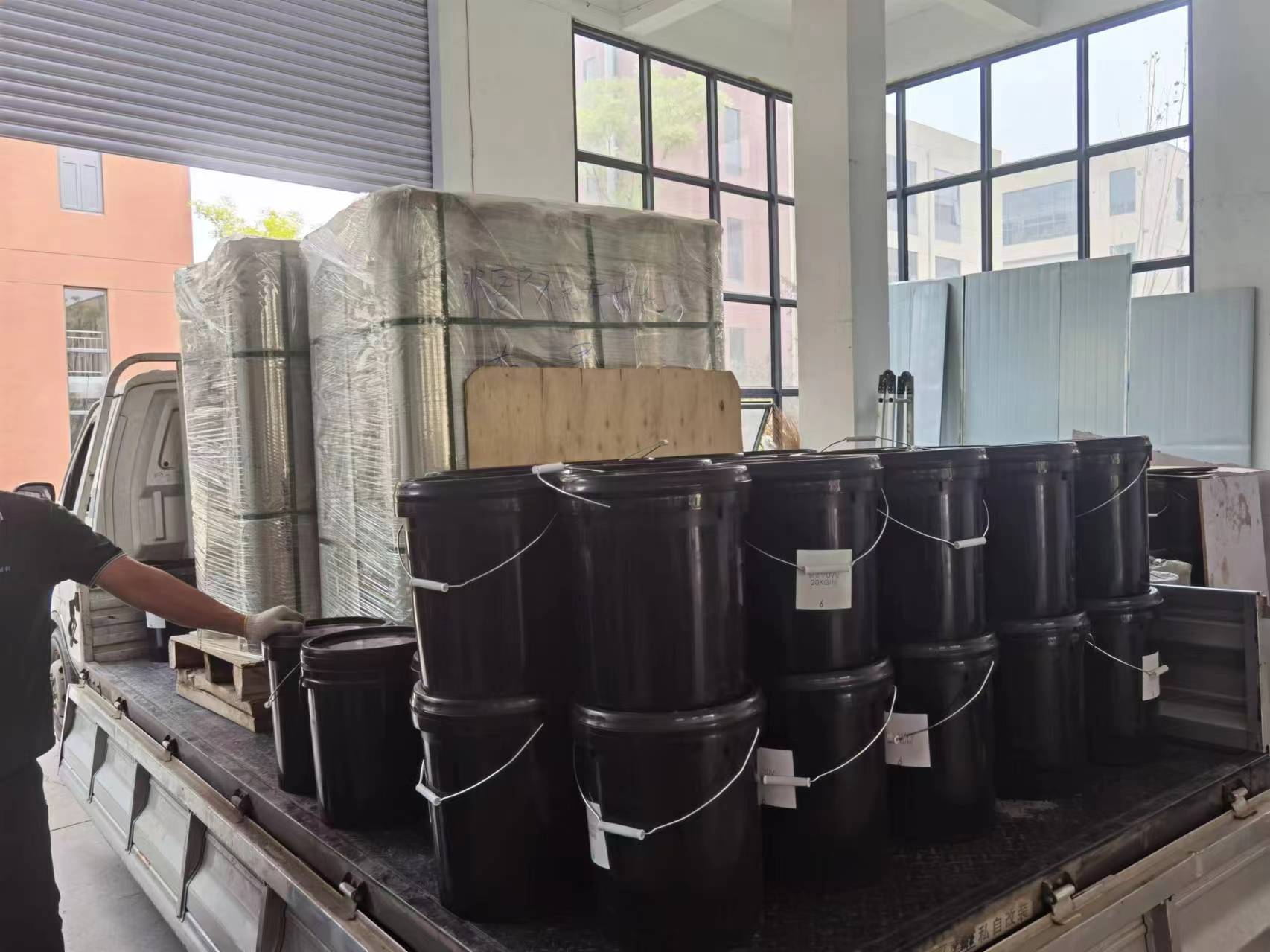
The application scope of the thin coating adhesive is wide, mainly based on its good fluidity, uniform coating, strong infiltration characteristics, common application scenarios include:
- Packaging industry: such as carton, carton sealing and laminating, especially suitable for large area paper material bonding, can quickly penetrate the paper fiber, enhance bonding firmness.
- Wood processing: used for wood splicing, veneer process, can evenly cover the wood surface and gaps, enhance the bond between the wood, and the thin layer of glue is not easy to affect the appearance of wood.
- Paper and printing: such as bookbinding, poster lamination, cardboard lamination, etc., low viscosity characteristics can avoid wrinkling and deformation of paper, and protect the flatness of printed materials.
- Leather and fabrics: suitable for leather splicing, fabric lamination, can penetrate into the fiber interior, not only to ensure bonding strength, but also does not affect the flexibility of the material.
- Building materials: some formulations can be used for bonding lightweight panels (such as gypsum board, foam board), to meet the needs of building materials processing of adhesive layer uniformity and fast curing.
Different formulations of thinned adhesives will be optimized for specific materials, and matching products should be selected according to the characteristics of the substrate in actual application.